
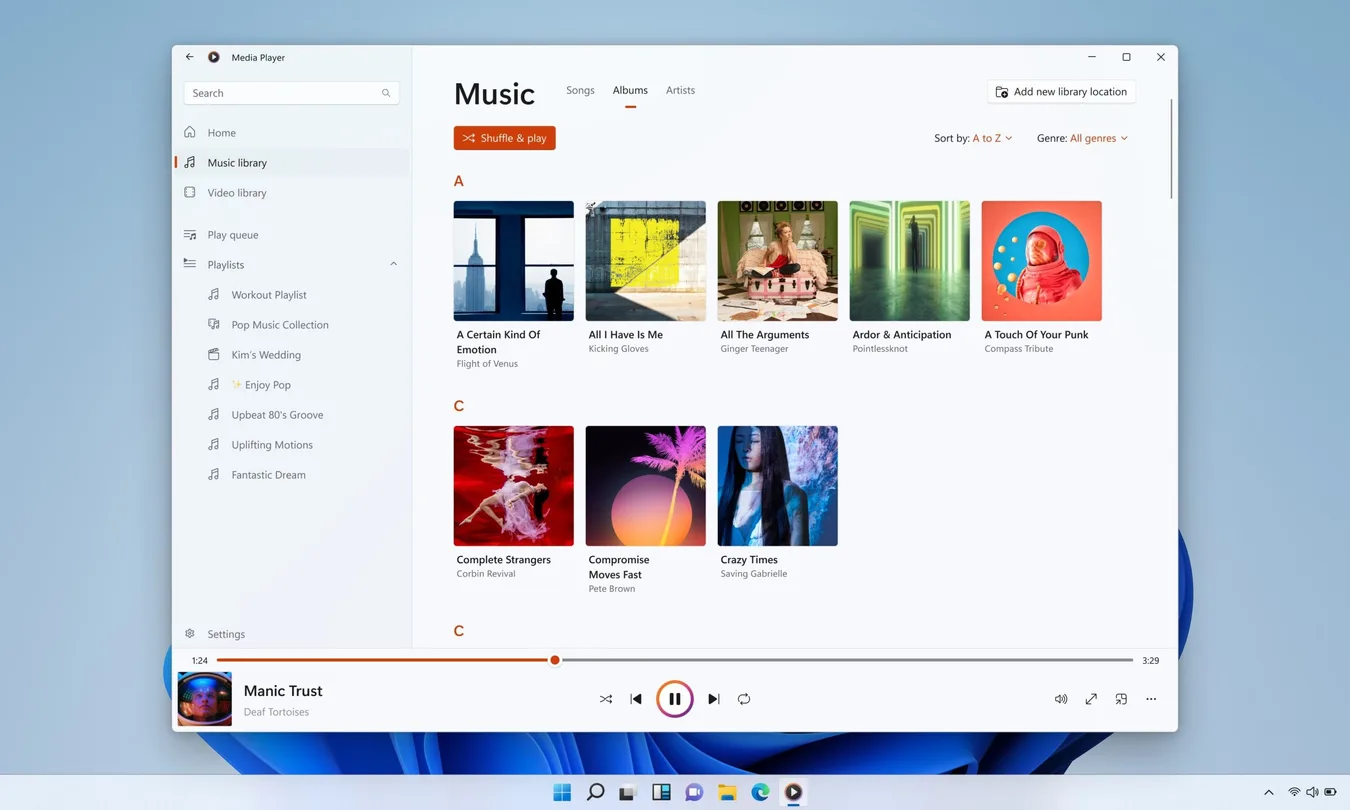
Microsoft has introduced a new preview update for the Windows 11 Media Player, bringing a range of quality-of-life improvements and bug fixes. Despite these additions, the application is drawing criticism after testing showed it consumes significantly more memory and takes longer to launch local video files than the much older Windows Media Player released nearly two decades ago.
The latest build, version 11.2605.14.0, is currently limited to users running Experimental Insider versions of Windows 11. While it includes several welcome refinements, many users feel it still falls short in areas that matter most, particularly performance and efficiency.
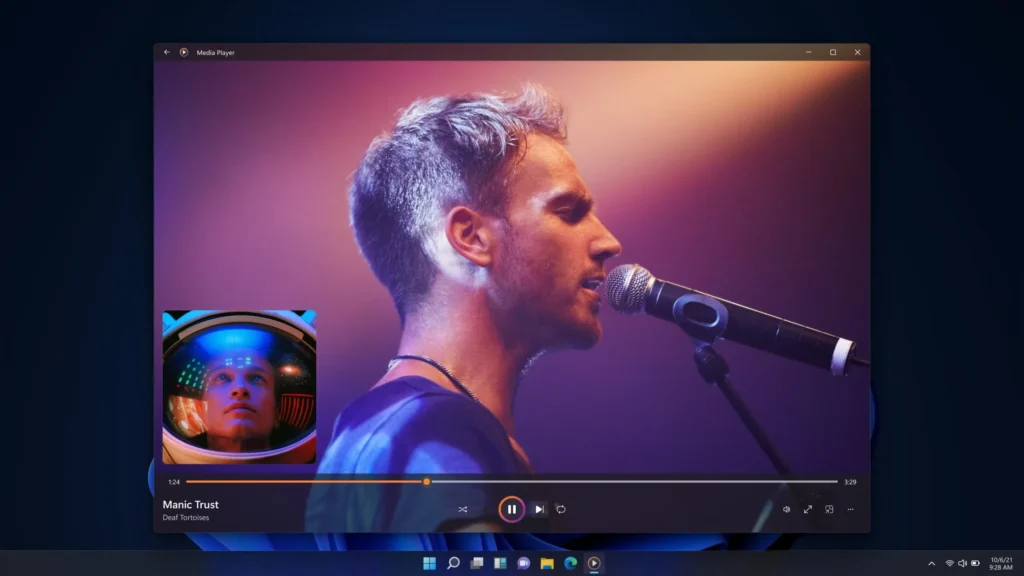
Among the improvements, caption customization now follows Windows accessibility settings, allowing users to modify text size, colors, and backgrounds directly through the operating system. The player also displays a notification while indexing newly added media libraries, helping users understand why certain files may not appear immediately after being added.
Additional changes include more reliable file recognition, clearer explanations when required codecs are missing, prevention of unnamed playlist creation, fixes for crashes related to queue management, and various visual adjustments. These updates improve overall usability and stability, especially considering the app serves as the default media player in Windows 11.
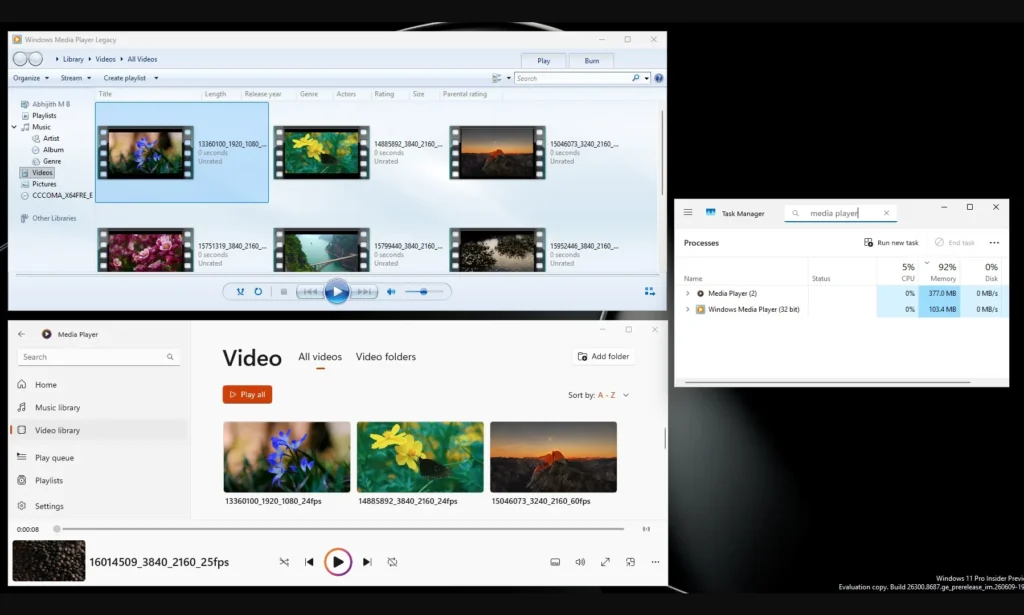
However, performance concerns continue to overshadow these enhancements. Testing revealed that the modern Media Player uses substantially more RAM when idle than the legacy Windows Media Player. Memory usage was measured at roughly 377MB compared to around 103MB for the older application. The newer software also required more time to open local video files.
This has led to frustration among users who expect basic tasks such as launching and playing videos to be handled quickly and efficiently. Many find it surprising that a modern application struggles to match the responsiveness of software that originally shipped with Windows 7 nearly 17 years ago.
Another recurring complaint involves video codec support. HEVC (H.265), a format commonly used by modern smartphones, including many Android devices and iPhones, is not fully supported out of the box in some Windows setups. Users may be required to purchase an additional codec package before these videos can be played through the default media player.
While codec licensing fees help explain this limitation, the experience can still be frustrating. A user can record a video on a current-generation phone, transfer it to a Windows PC, and then discover that extra software must be purchased to view it using the operating system’s default player. As a result, many users turn to third-party media players that include built-in support for a wider range of formats.
The situation is further complicated by changes in Windows 11 version 24H2, which removed native AC-3 audio support. This can impact playback of content that relies on Dolby Digital sound.
Although the latest update demonstrates Microsoft’s ongoing efforts to refine Media Player, many users believe the application still needs major improvements in speed, resource efficiency, and codec support before it can fully replace the lightweight and dependable experience offered by its predecessor.